
Description
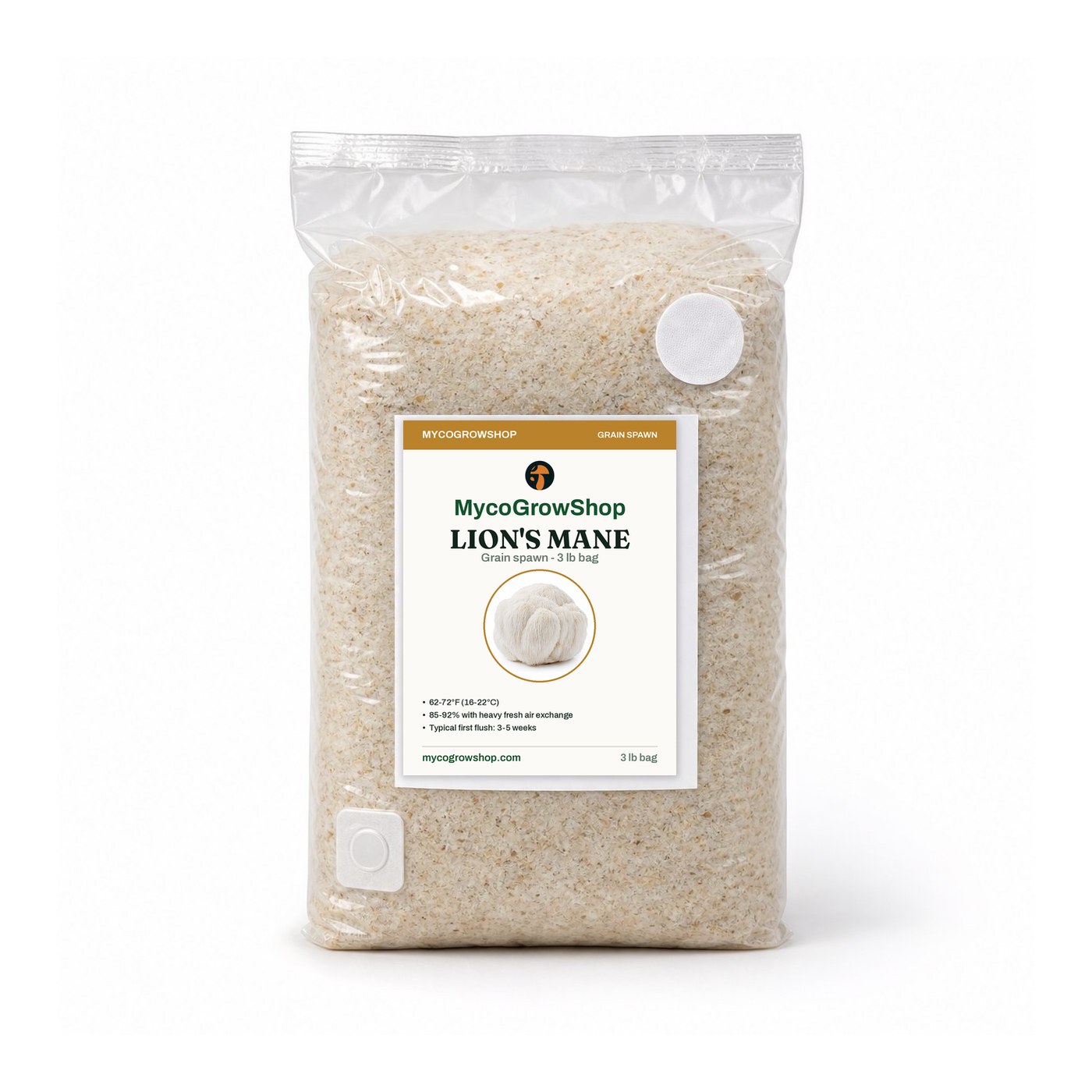
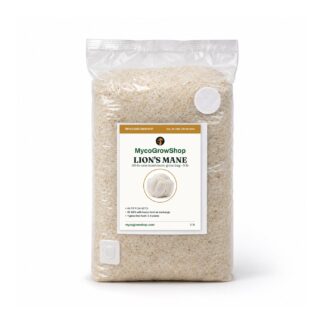
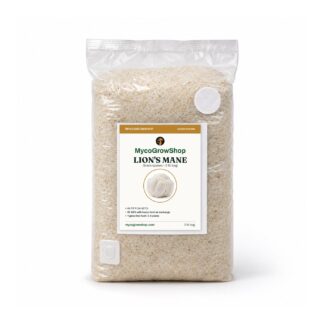
Lions Mane Millet Grain Spawn – Grain spawn: millet grain, hydrated, sterilised and running with lion’s mane mycelium – 3 lb bag per bag Shipped cold in a filter-patch bag, ready to mix into your substrate.
Lions Mane Millet Grain Spawn: what you get
Lions Mane Millet Grain Spawn arrives as 3 lb, as the listing states it. Variations are sold as sealed or packed so it survives a courier, not just a shelf.
- 3 lb, as the listing states it
- sealed or packed so it survives a courier, not just a shelf
- the same photograph as the listing, so you know what arrives
How to use lions mane millet grain spawn
Nothing about lions mane millet grain spawn is difficult, and almost every failed grow we hear about breaks at one of four points: moisture, temperature swings, still air being taken for clean air, and opening things too early. These four steps cover lions mane millet grain spawn in any shop-bought setup.
- Wipe the work surface and your hands, then let the alcohol flash off before anything sterile is opened.
- Work in still air: a fan or an open window carries spores into an open jar or bag.
- Keep consumables sealed with the patch or lid closed, and replace tape and patches rather than reusing them.
- Calibrate a hygrometer against a damp-salt test twice a season; flush counts are decided by the number you trust.
Storage and handling
Keep the pack sealed until you are ready to work, and write the delivery date on it – grain-based and live material are the two things nobody should use on memory.
Common questions
Why millet rather than rye for lion's mane?
Millet grains stay separate, so a 3 lb bag distributes through five or six substrate bags evenly. Rye is fine too; millet just reduces the ‘break up the brick’ work.
How much substrate will this bag inoculate?
Roughly 30-40 lb of wet supplemented sawdust at a 5-10% rate, which is six to eight 5 lb bags.
Can I store it in the fridge?
Yes – 34-40°F for two to three weeks. Take the chill off for a few hours before inoculating, and never leave grain spawn at room temperature for weeks.
Usually ordered with Lion’s Mane Colonised Fruiting Block – 5 lb and Lion’s Mane All-In-One Mushroom Grow Bag. More detail is in the Lion’s Mane Grow Kits archive. Lion’s Mane Grow Kits. For the technique side we keep FreshCap growing notes open while writing these pages, and the sanitation notes for the consumables follow the FDA Food Code.
Millet instead of rye, because lion’s mane moves better through supplemented sawdust from a small, hard seed that does not clump into a brick. Fully colonised, broken loose before it packs, and bagged in a filter-patch bag ready to pitch.
What is in the box
- millet grain, hydrated, sterilised and running with lion’s mane mycelium – 3 lb bag per bag
- Shipped in a filter-patch bag with the grain broken loose at the right stage, so it distributes evenly the moment you open it
- Enough for roughly 30-40 lb of wet substrate of prepared substrate at a normal 5-10% inoculation rate
- Cold-weather friendly: if it arrives warm and starting to consolidate, refrigerate it and use it within two weeks
How it works
- Flambé or wipe your port and hands, work in still air and break up the colonised grain before pitching it into your substrate.
- Aim for even distribution rather than a heavy layer at the top – spawn that sits in one clump colonises unevenly.
- Store unopened at 34-40°F and let it take the chill off for a few hours before you inoculate.
About Lion’s Mane (Hericium erinaceus)
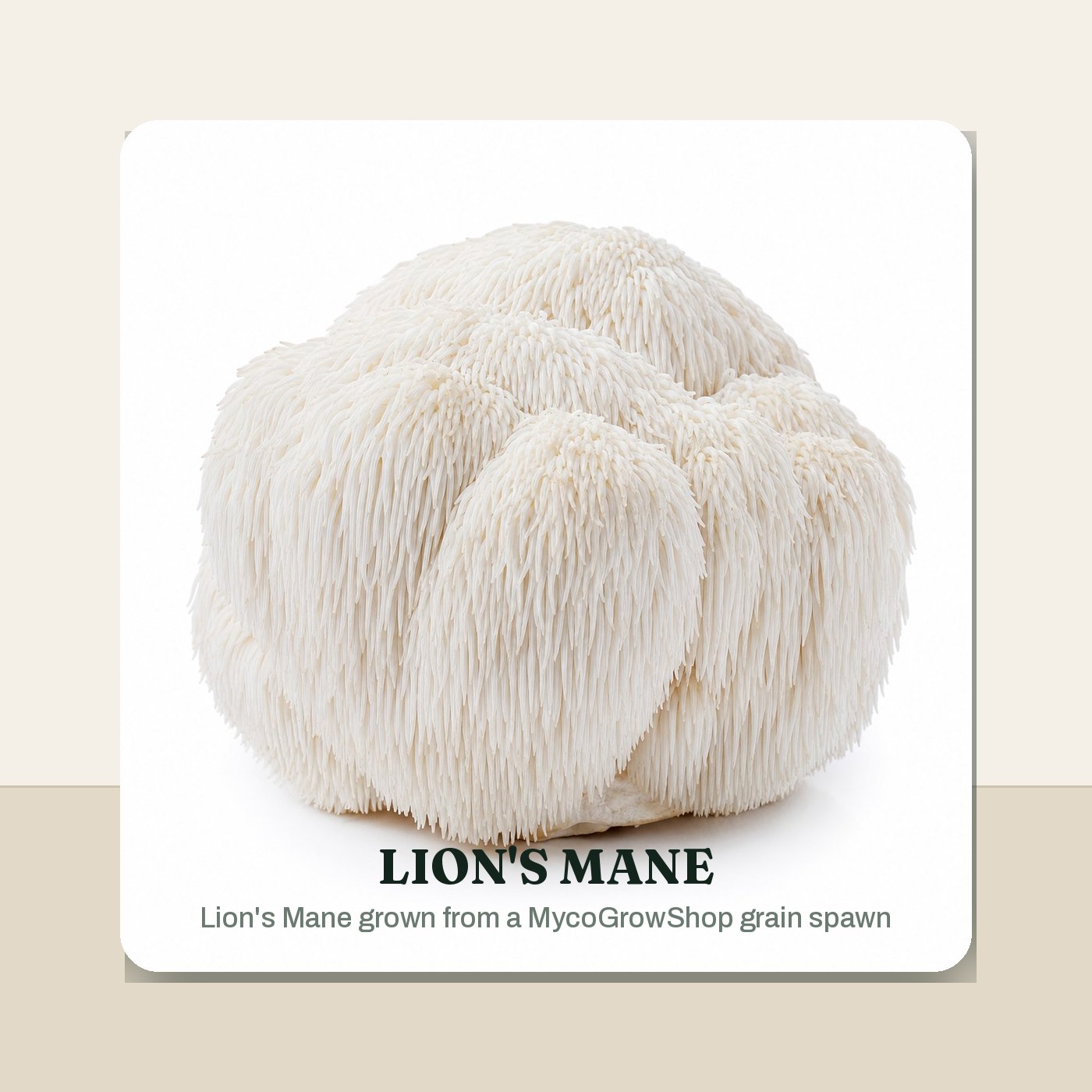
Lion’s mane is the mushroom that changes people’s minds about growing at home. There are no caps and gills to get wrong, only a ball of white spines that hangs from the block like a beard. It is a hardwood specialist, which means it wants supplemented sawdust rather than straw, and it rewards fresh air more than almost any other kitchen species.
Conditions lion’s mane grows best in
- Fruiting temperature: 62-72°F (16-22°C)
- Humidity: 85-92% with heavy fresh air exchange
- Colonises the block in 10-16 days at room temperature
- First flush typically 10-21 days after fruiting starts
- Signs of stale air: long, thin spines and a sour smell trapped under the lid
When to pick: Cut the whole cluster at the base with a clean knife when the spines are still white and about an inch long. Once it turns yellow and dusts the counter with spores it is past its best. A second flush usually follows two weeks later if the block is kept damp and cool.
In the kitchen: Sautéed in butter with salt, alone. It takes to browning better than any other mushroom and is the standard stand-in for seafood-style dishes because the spines hold a crust.
What to expect from this grow
Grain spawn is a living culture, so we sell it to be used, not stored. Order what you can inoculate within a week or two of delivery. Contaminated or badly delayed shipments are replaced – email a photo of the bag, unopened if possible.
Specification
| Product type | Grain spawn |
|---|---|
| Stage | Grain spawn |
| Size | 3 lb bag |
| Species | Lion’s Mane (Hericium erinaceus) |
| Substrate it grows on | Supplemented hardwood sawdust (master’s mix) |
| Fruiting range | 62-72°F (16-22°C) |
| Difficulty | Easy |
| Shipped weight | 3.4 lb |
| Package size | 9 × 6 × 3 inches |
| SKU | MGS-0024 |
Part of our Mushroom Spawn range. Questions about lion’s mane? Email [email protected] or call +1 970-909-8532.
Other formats for Lion’s Mane: Ready-to-fruit grow kit, All-in-one grow bag, Colonised fruiting block. Start with a guide if you are not sure which one fits your space.
Reviews
There are no reviews yet.