Four species we recommend on purpose, two we do not, and the room conditions that decide it before you even buy anything.
The rule that matters more than the species
Buy the mushroom that fits the room you have, not the mushroom you like to eat. Nearly every beginner failure we are emailed about is a warm-room species in a cold flat, or a cool-room species on a shelf above a radiator. Mycelium tolerates a wide range; fruiting bodies do not.
So before anything else, note your chosen spot's temperature twice a day for three days. If it sits between 18 and 24 °C you can grow almost all of our catalogue. If it runs cooler than 16 °C you want blue oyster or shiitake. If it never drops below 25 °C in summer, pink and golden oyster or reishi are the honest answer.
Start with one of these four
<b>Pink oyster</b> is the fastest teacher. It colonises in days rather than weeks, fruits in warm air, forgives a missed misting and shows you what a healthy flush looks like so that every later grow has a reference point. Its one real limitation is shelf life: eat it within two days.
<b>Blue oyster</b> is the same species group with the opposite temperature preference, and the most forgiving thing to put in a cool hallway, cellar or shaded porch in winter. Heavy crops, slightly stronger flavour, caps that turn grey if the room runs hot.
<b>Golden oyster</b> suits a warm flat and rewards you for it, with the same low-effort behaviour as pink and a nuttier taste. Thin caps mean it dries out faster than blue, so hold the humidity.
<b>Lion's mane</b> is the beginner's exception: a genuinely fussier species that almost everyone still enjoys, because it looks remarkable, fruits on a shelf in a moderate room and gives you a visible signal – spine length – for how the grow is going. Treat a yellow tinge as a misting problem, not a disease.
If you want the cheapest lesson
One all-in-one grow bag of pink oyster costs less than two kits and teaches you inoculation, incubation and fruiting in one go. The downside is three to four weeks of waiting before you know whether it worked.
Two to leave until your second or third grow
<b>King oyster</b> is the one we argue people should not buy first. It needs cool fruiting air, a lot of fresh air and a patient hand, and it produces exactly the disappointing long-stemmed, small-capped result when any of the three are missing. Grown well it is the best texture in the catalogue. Grown in a closed box on a warm shelf it is a lesson you pay $46 for.
<b>Shiitake</b> is not difficult so much as slow. A block wants a long, undisturbed colonisation and a rest before it pins, and beginners commonly interpret that silence as failure, cut the slot early, mist it to death and give up two weeks before the flush arrives. Buy it as a colonised block, and you skip the part that breaks people.
Reishi sits outside both groups: it is a warm, slow, medicinal mushroom that you dry rather than cook, and it is a good second or third project for anyone with a heated airing cupboard and no interest in dinner mushrooms.
Quick comparison
| Species | Fruiting air | Difficulty | Best first buy |
|---|---|---|---|
| Pink oyster | 18–26 °C | Easy | Kit or all-in-one bag |
| Golden oyster | 18–27 °C | Easy | Kit |
| Blue oyster | 10–18 °C | Easy | Kit in a cool room |
| Lion’s mane | 16–22 °C | Moderate | Kit |
| Chestnut | 12–18 °C | Moderate | Block |
| Shiitake | 12–21 °C | Slow | Colonised block |
| King oyster | 13–18 °C | Harder | Third grow |
| Reishi | 21–29 °C | Slow | Second grow |
Difficulty here means how much a small mistake costs you, not how clever the mushroom is. Every species on that table is being grown by someone in a rented room with one shelf.
The short version
- Record the spot's temperature twice a day for three days. Measure the room
- Match the species to that range, not to the menu. Pick the species
- Buy a kit for the first flush, a bag for the technique. Choose format
- Change one variable at a time and wait three days. Adjust
Kit list for this guide
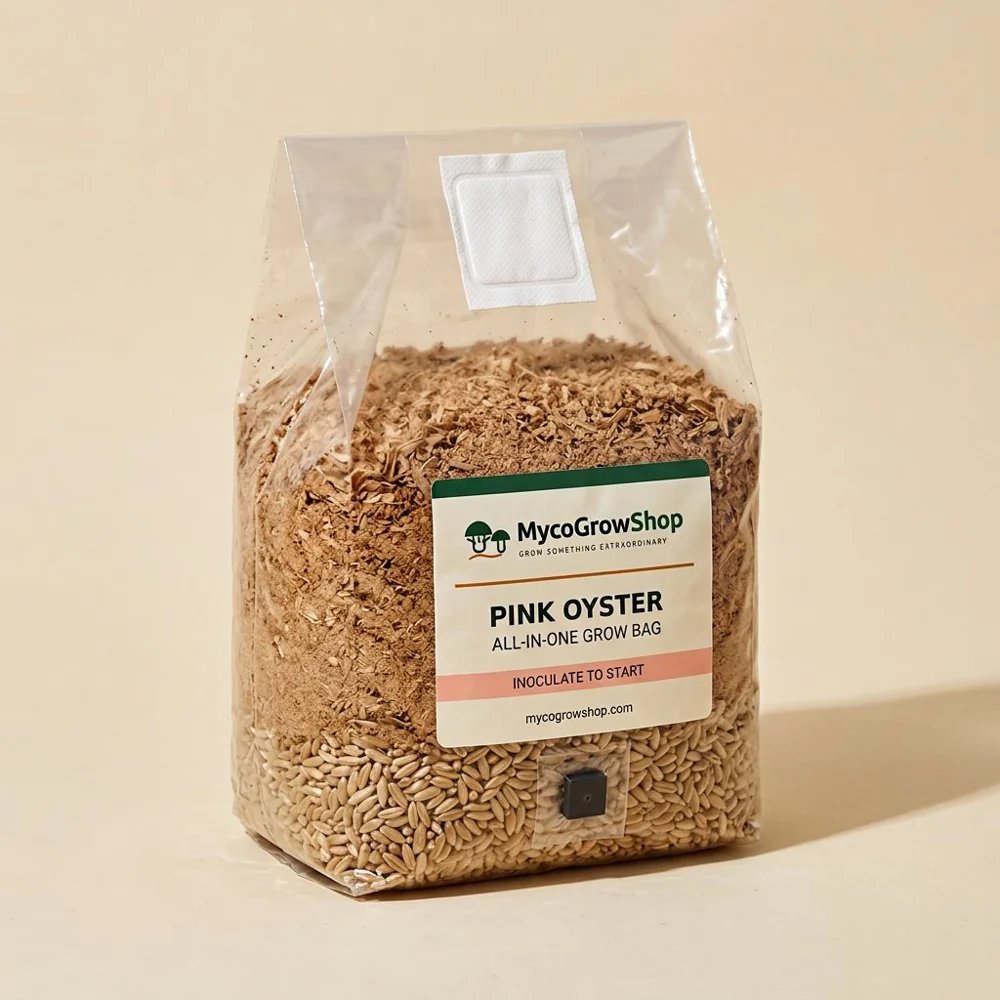 ALL-IN-ONE GROW BAGPink Oyster All-In-One Grow Bag$27.00
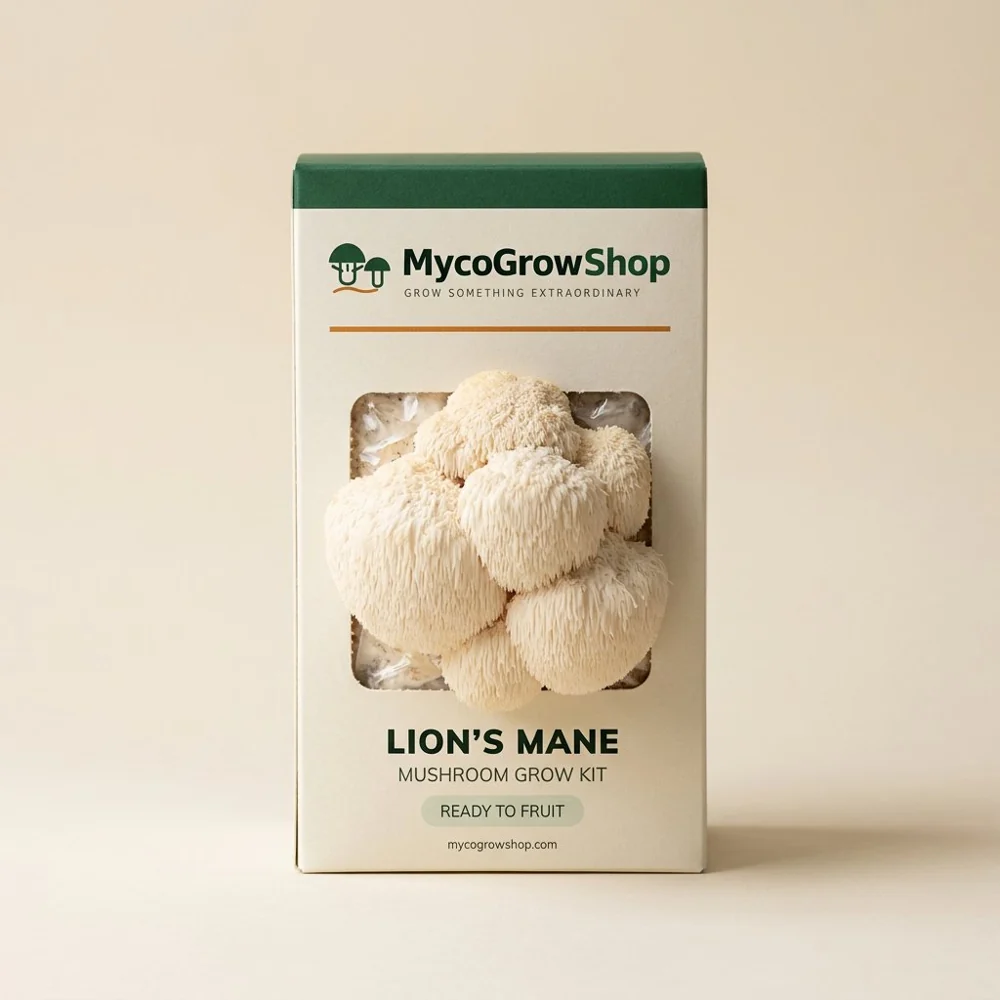 READY-TO-FRUIT GROW KITLion's Mane Ready-to-Fruit Grow Kit$42.00
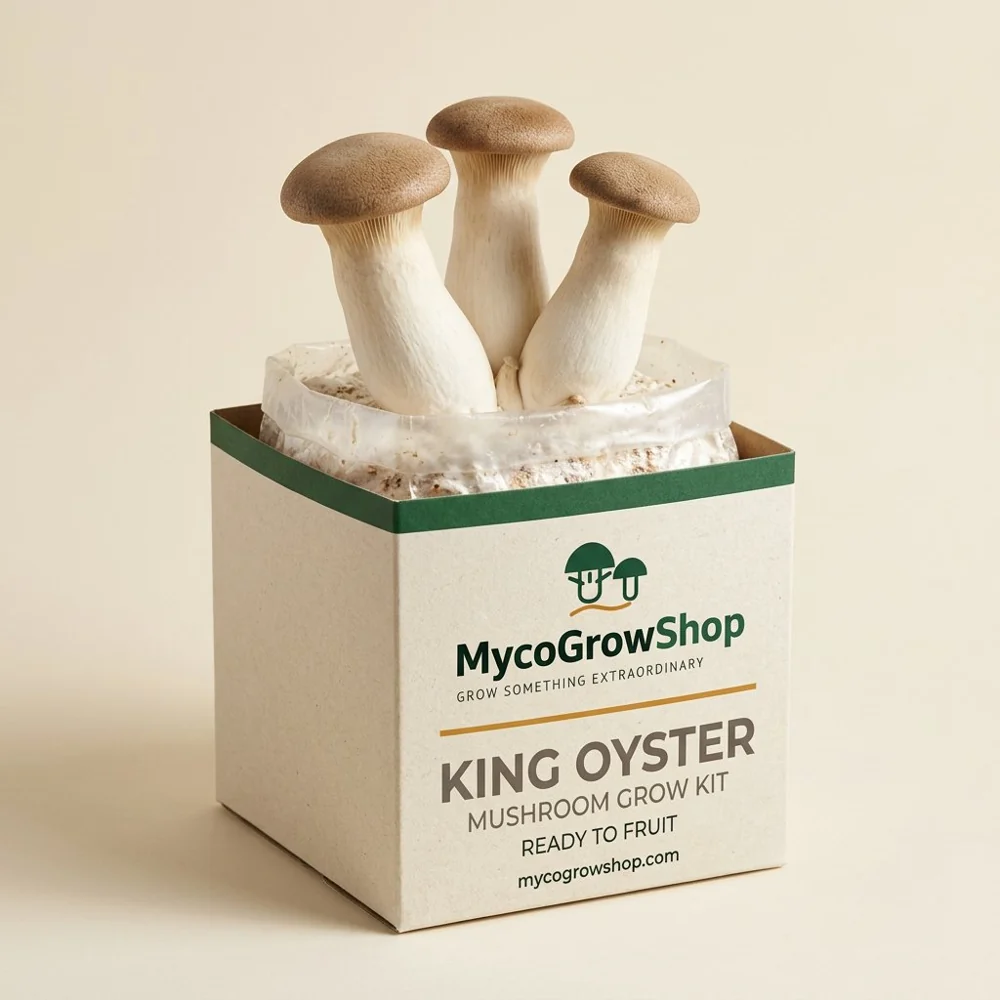 READY-TO-FRUIT GROW KITKing Oyster Ready-to-Fruit Grow Kit$46.00
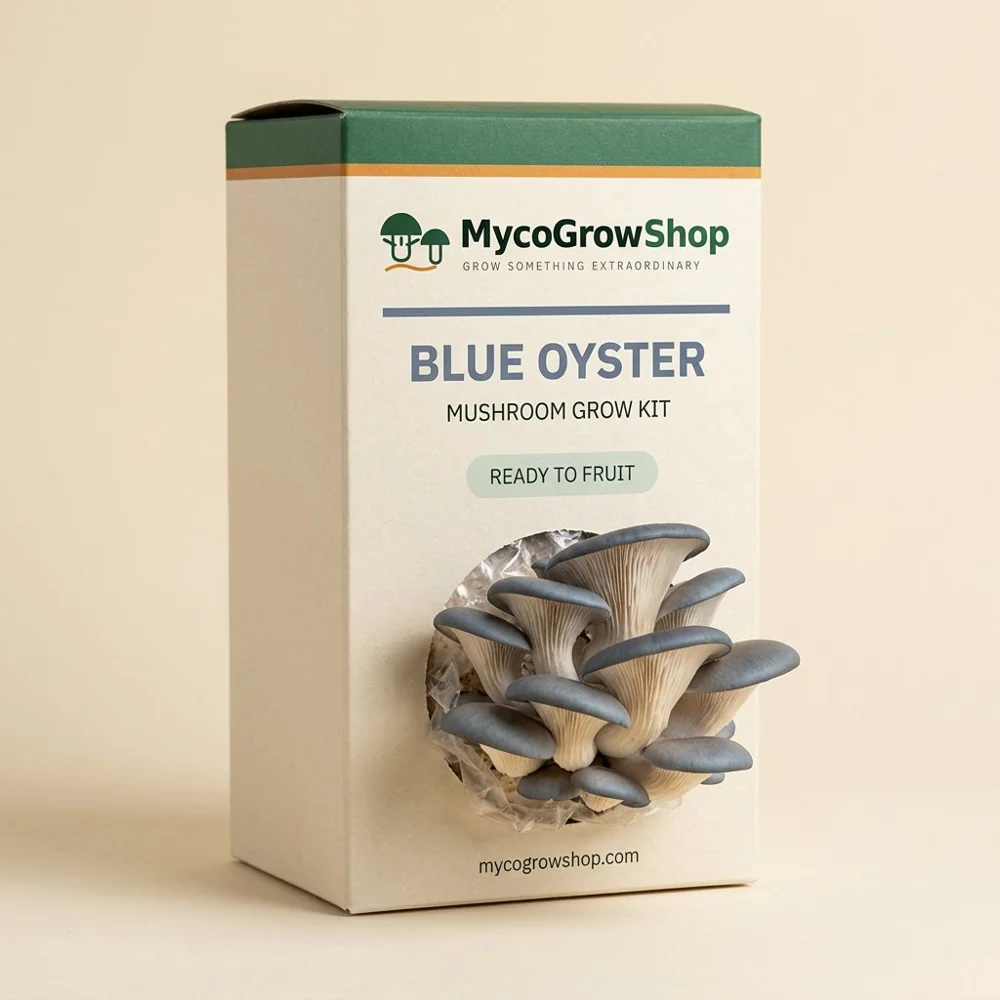 READY-TO-FRUIT GROW KITBlue Oyster Ready-to-Fruit Grow Kit$38.00
Written by the MycoGrow fruiting room. No claim here guarantees a harvest: a grow is a living thing in a room you control, and the room is the variable.
Leave a Reply