
Why Mushrooms Fail Why Mushroom Flushes Fail, and What to Change Diagnostics by symptom: stalled pins, browning, aborts, stringy caps, yellowing, contamination, and the fix for each..
Why Mushrooms Fail: what this page covers
- Read the symptom, do not guess – Almost all home-growing failures are one of five physical conditions: too little air, too little humidity, wrong temperature, too much standing water, or contamination you cannot see yet.
- No pins at all, block stays white – Give it cold, light and air: a fully colonised block often needs a real drop (10-15°F), 10-12 hours of indirect daylight and lid-off sessions several times a day.
- Pins form, then shrivel and go brown – Raise humidity to 85-90% with a tub or a loosely draped clear bag until caps are a third of their final size, and mist the air rather than blasting the pins.
- Long, thin, crowded stems; tiny caps – This is the single most common problem with an enclosed kit.
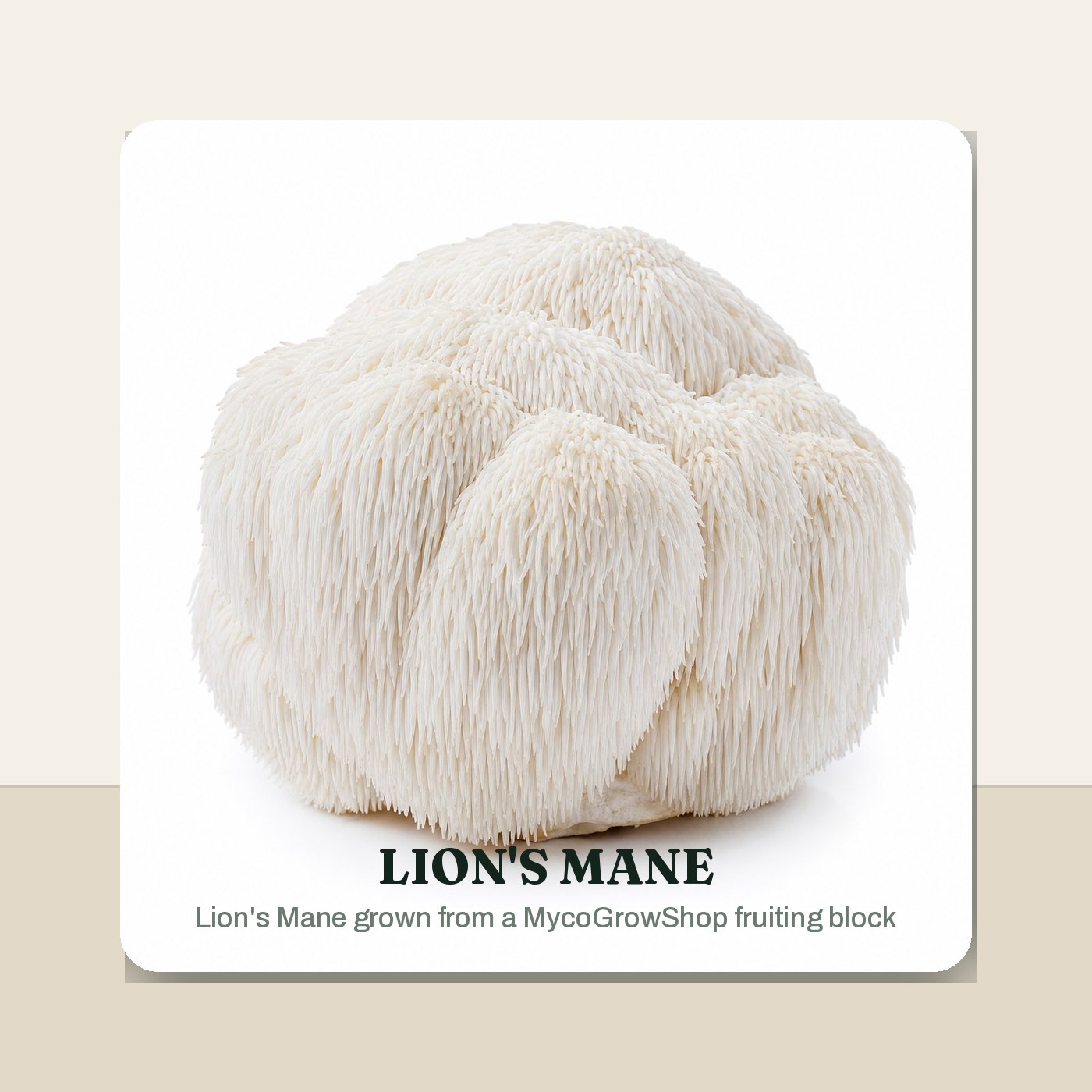
- Yellowing lion's mane, wet sheen, sour smell – Stop misting for 48 hours, increase exchange, remove standing water from the box base.
- Green, black or pink patches on the substrate – Small spots on a colonised block: cut them out, flood the cut with 70% alcohol, keep the block in better air; it often finishes fine.
- What a genuinely slow mycelium looks like – Shiitake and chestnut can run for four to eight weeks on a cool shelf.
Where to go next
Background reading we rely on: the FreshCap substrate guide.
Why Mushrooms Fail is listed with the same numbers the label uses, so the pack can be checked against the page it arrived from.
Quick answers on why mushrooms fail
Open the pack only when the substrate or block is fully colonised; keep it out of direct sun; and change the air before you change the temperature – in that order, why mushrooms fail behaves.
If why mushrooms fail is the wrong starting point for you, the archives above are the other routes through the shop.
Why Mushroom Flushes Fail, and What to Change
Diagnostics by symptom: stalled pins, browning, aborts, stringy caps, yellowing, contamination, and the fix for each.
Read the symptom, do not guess
Almost all home-growing failures are one of five physical conditions: too little air, too little humidity, wrong temperature, too much standing water, or contamination you cannot see yet. Each produces a recognisable look. Use the list before you change anything, because the usual reflex – more misting – makes half of these worse.
No pins at all, block stays white
Give it cold, light and air: a fully colonised block often needs a real drop (10-15°F), 10-12 hours of indirect daylight and lid-off sessions several times a day. A block that has been in a closed cupboard for a month is not dead, it is comfortable. Soak for 8-12 hours in cool water, drain, and give it a week.
Pins form, then shrivel and go brown
Abort from dry air, almost always. Raise humidity to 85-90% with a tub or a loosely draped clear bag until caps are a third of their final size, and mist the air rather than blasting the pins. A fan or a heating vent an inch away does this silently.
Long, thin, crowded stems; tiny caps
CO2 too high. This is the single most common problem with an enclosed kit. More fresh air, twice a day, and the next flush is dense. On king oyster, note that some restriction is deliberate early to fatten stems – open it up once caps are the size of a coin.
Yellowing lion’s mane, wet sheen, sour smell
Stale, saturated air. Stop misting for 48 hours, increase exchange, remove standing water from the box base. Yellow that stays after a week of dry air usually means the block is finished – harvest what you can and compost it.
Green, black or pink patches on the substrate
Trichoderma and friends. Small spots on a colonised block: cut them out, flood the cut with 70% alcohol, keep the block in better air; it often finishes fine. Large or fresh patches on a bag that has not colonised: bag it up, keep it out of the house and photograph it for a replacement. Never shake an contaminated bag open.
What a genuinely slow mycelium looks like
Shiitake and chestnut can run for four to eight weeks on a cool shelf. A bag that is half white with clear growing fronts and no smells is not failing, it is just that species. Do not open it to ‘help’; you are only adding contamination risk.
Three habits that prevent most of it
- A thermometer and hygrometer where the mushrooms are, not where you think the room is
- Cutting at the right stage: over-mature clusters cost you the second flush, because you left the block to spend energy on spores
- Cleaning between grows: wiped tub, dried gloves, no substrate crumbs on the shelf where you open bags
Next: how to grow mushrooms at home, all-in-one grow bags explained and the full catalogue. Any question a guide cannot answer, email [email protected].