Growing Mushrooms Outdoors Growing Mushrooms Outdoors: Logs, Wine Caps and Shade Beds Which woods work, plug and sawdust methods, shade and watering, and realistic multi-year expectations..
Growing Mushrooms Outdoors: what this page covers
- Outdoor growing is a different sport – Indoors you are running an experiment with a controlled climate; outdoors you are making a bet against weather for two or three years.
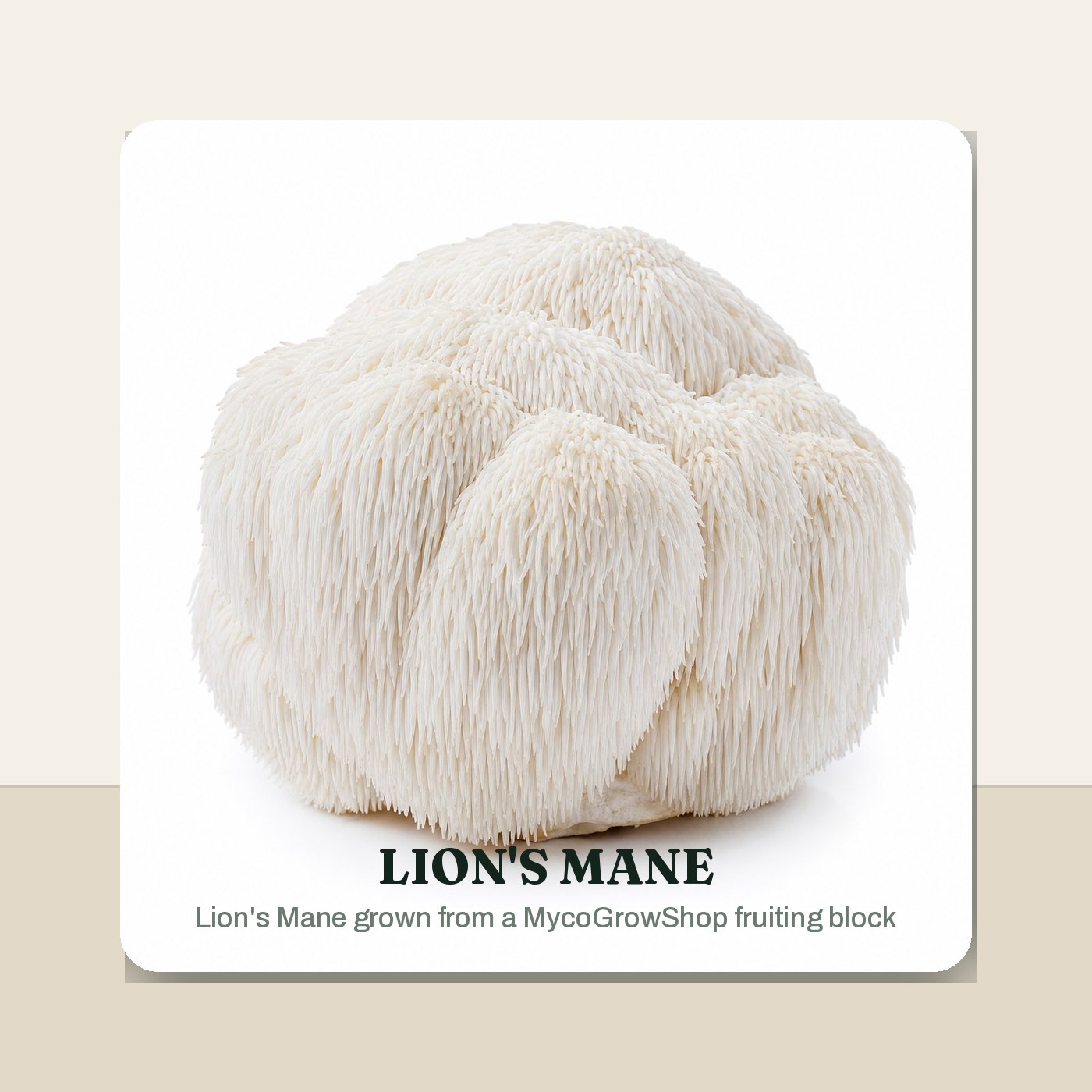
- Logs: the species and the wood – Shiitake, wine cap, lion’s mane and reishi will all do a cut log.
- Wine caps: the fastest outdoor win – Stropharia rugosoannulata (wine cap) is the outdoor beginner mushroom, because it fruits on wood chips and mulch in a season rather than a few years, tolerates neglect, and self-seeds into the bed for follow-on years.
- Straw beds for oysters – The advantage over logs is speed – eight to twelve weeks from spawning to first flush.
- What kills outdoor grows – Drying out in July – the single most common cause, and the one you can prevent with mulch and a hose Logs or beds in full sun: mushrooms need shade, and substrate temperature matters more than air temperature Sealing a plug hole with paint that has solvents in it rather than wax Buying a hundred plugs for one log: use 30-40 per 4 ft log, spaced, and let them establish Impatience: a log that shows no fruiting in year one is normal.
Where to go next
Background reading we rely on: the FreshCap substrate guide.
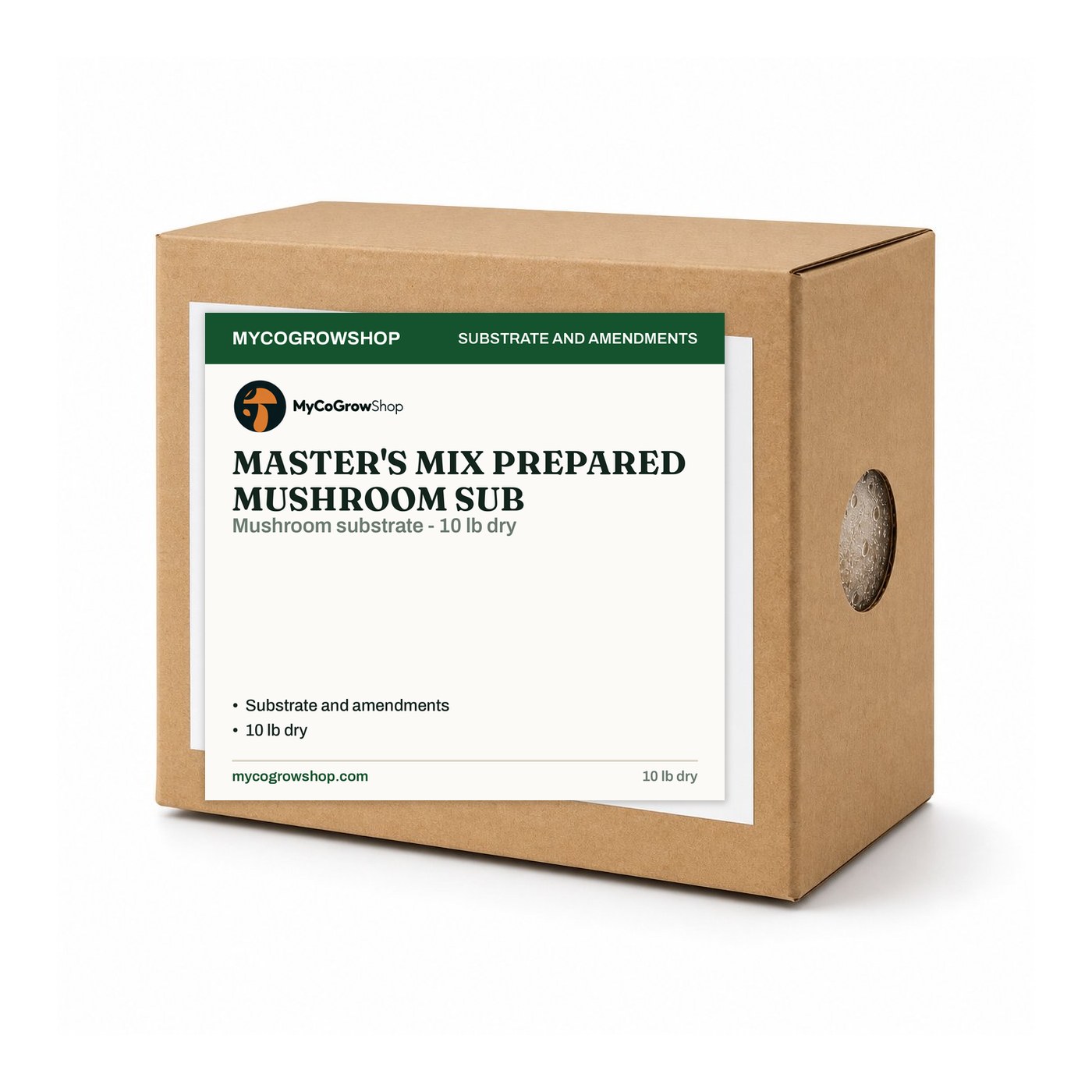
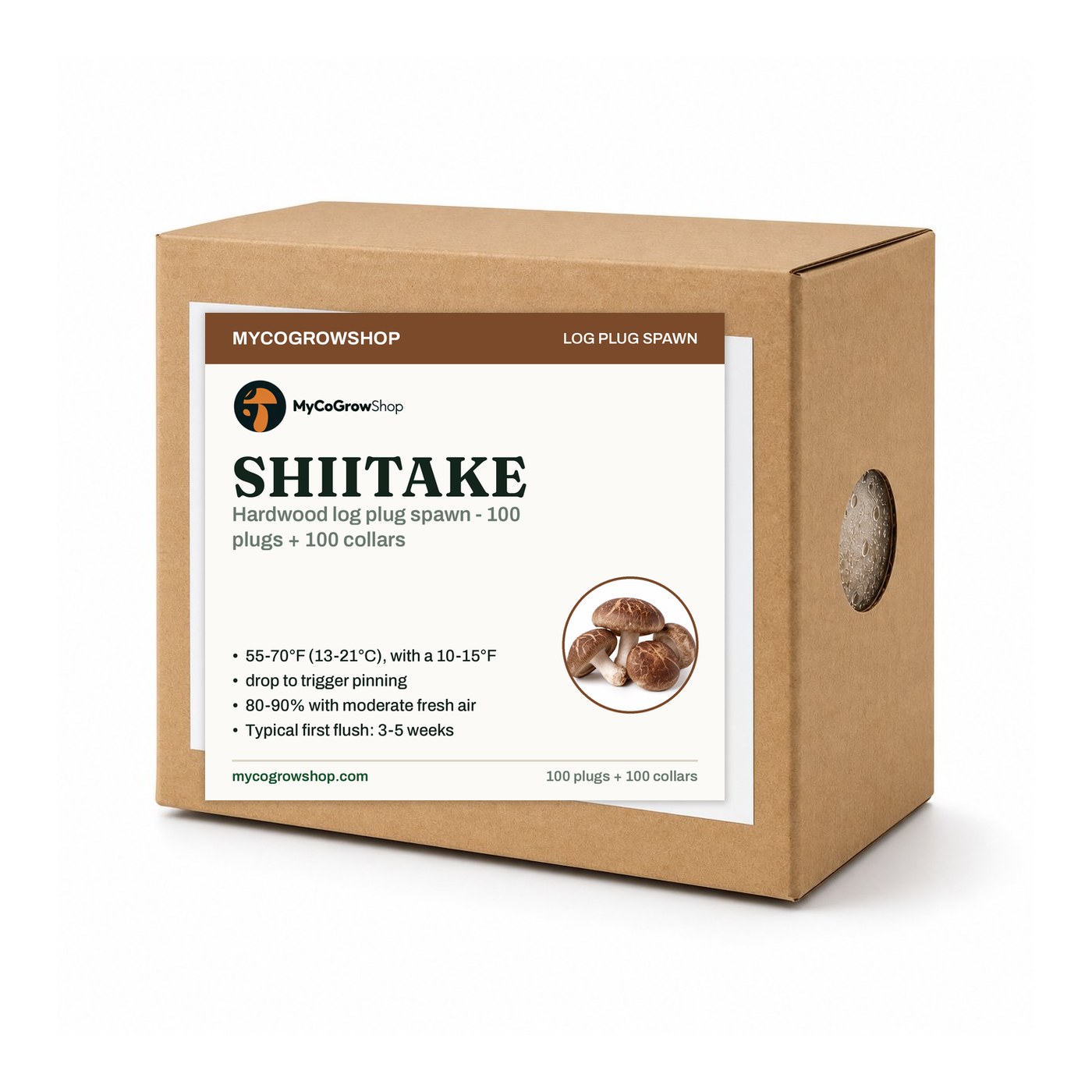
Growing Mushrooms Outdoors is listed with the same numbers the label uses, so the pack can be checked against the page it arrived from.
Quick answers on growing mushrooms outdoors
Open the pack only when the substrate or block is fully colonised; keep it out of direct sun; and change the air before you change the temperature – in that order, growing mushrooms outdoors behaves.
Growing Mushrooms Outdoors: Logs, Wine Caps and Shade Beds
Which woods work, plug and sawdust methods, shade and watering, and realistic multi-year expectations.
Outdoor growing is a different sport
Indoors you are running an experiment with a controlled climate; outdoors you are making a bet against weather for two or three years. It is cheaper per pound of mushrooms and slower to pay off. Choose it deliberately.
Logs: the species and the wood
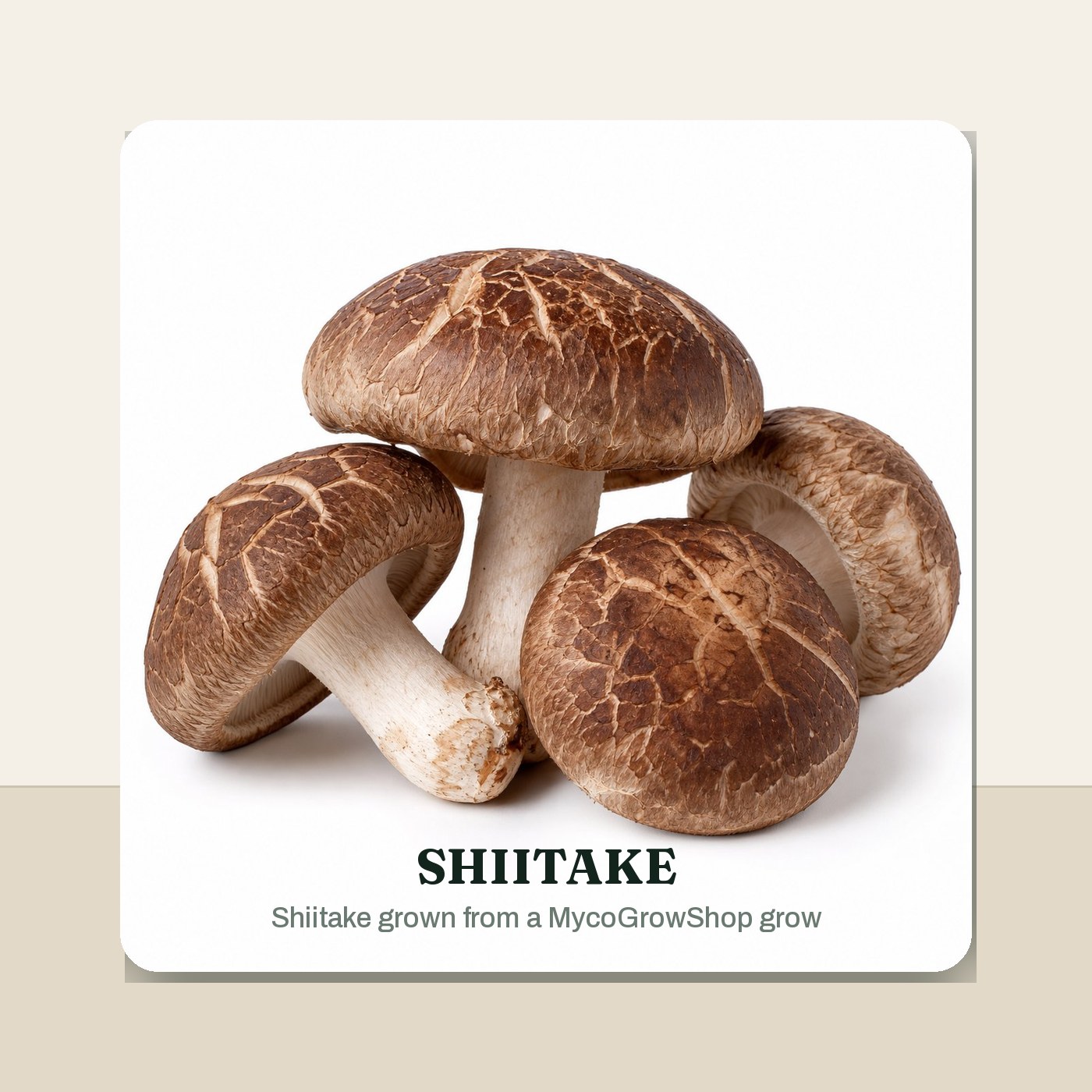
Shiitake, wine cap, lion’s mane and reishi will all do a cut log. Oak, sugar maple, beech and birch are the dependable choices: 4-6 inches in diameter, 3-4 feet long, cut while dormant and, importantly, seasoned for at least six months – bark on, because the bark keeps competing mould off the log. Never use freshly cut green wood for plugs, and avoid softwoods, cedar, walnut and eucalyptus.
- Drill 5/16-inch holes about 7/8 inch deep in staggered rows 4 inches apart
- Tap a colonised hardwood plug into each hole and seal it with wax or cheese paint
- Stack logs on pallets or rails in full shade, bark side up
- Keep them damp: water through dry spells, or the mycelium dies at the drill holes first
- Expect the first flush in the second or third year, then three or four productive years
Wine caps: the fastest outdoor win
Stropharia rugosoannulata (wine cap) is the outdoor beginner mushroom, because it fruits on wood chips and mulch in a season rather than a few years, tolerates neglect, and self-seeds into the bed for follow-on years. Build a 6-8 inch deep bed of hardwood chips or shredded mulch in a shaded border, moisten it, pasteurise with boiling water if the chips are fresh, then work sawdust spawn into the top 2-3 inches at roughly 2-5% by wet weight. Cover with a loose straw layer for the first fortnight, then keep it like a garden bed: damp, shaded, weeded.
Straw beds for oysters
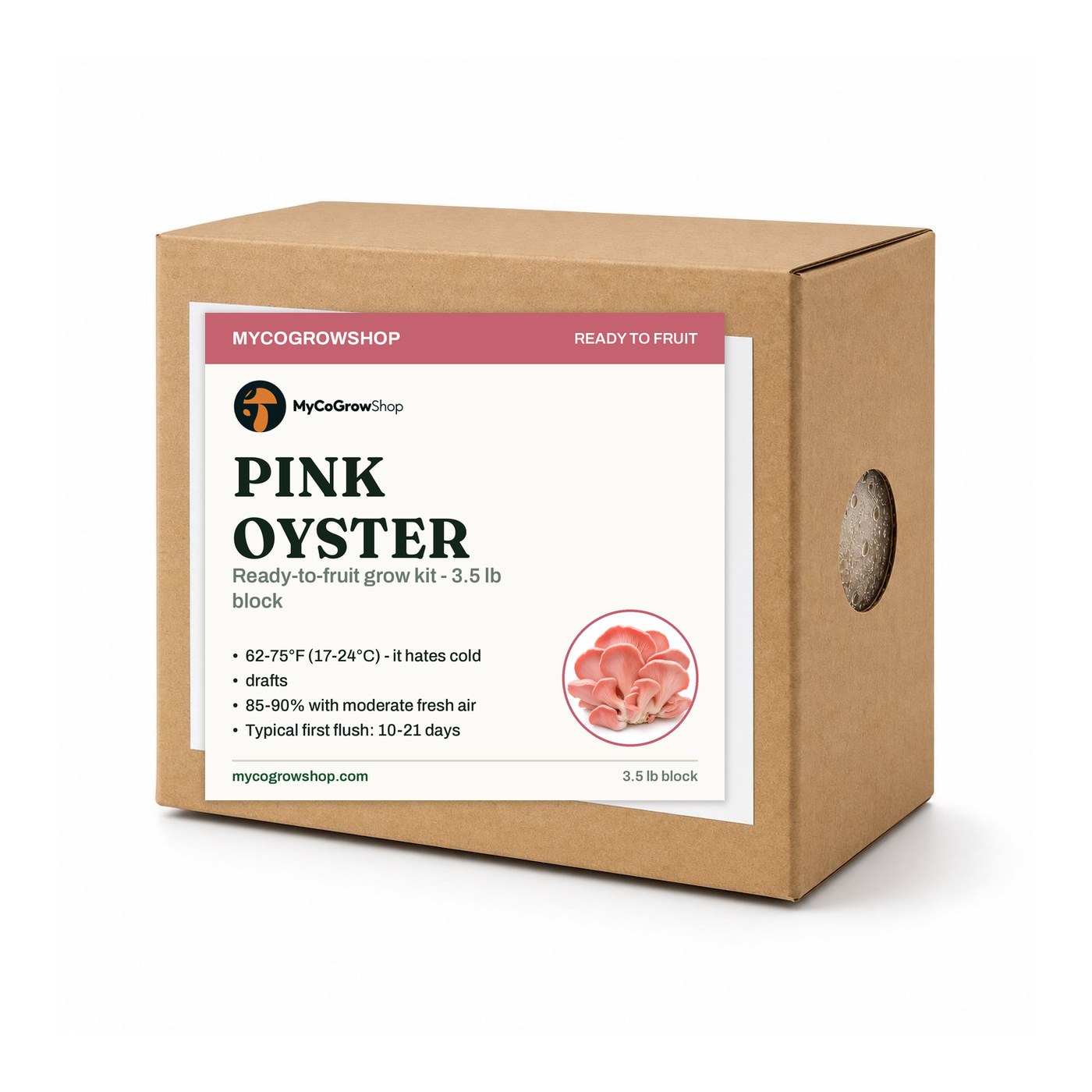
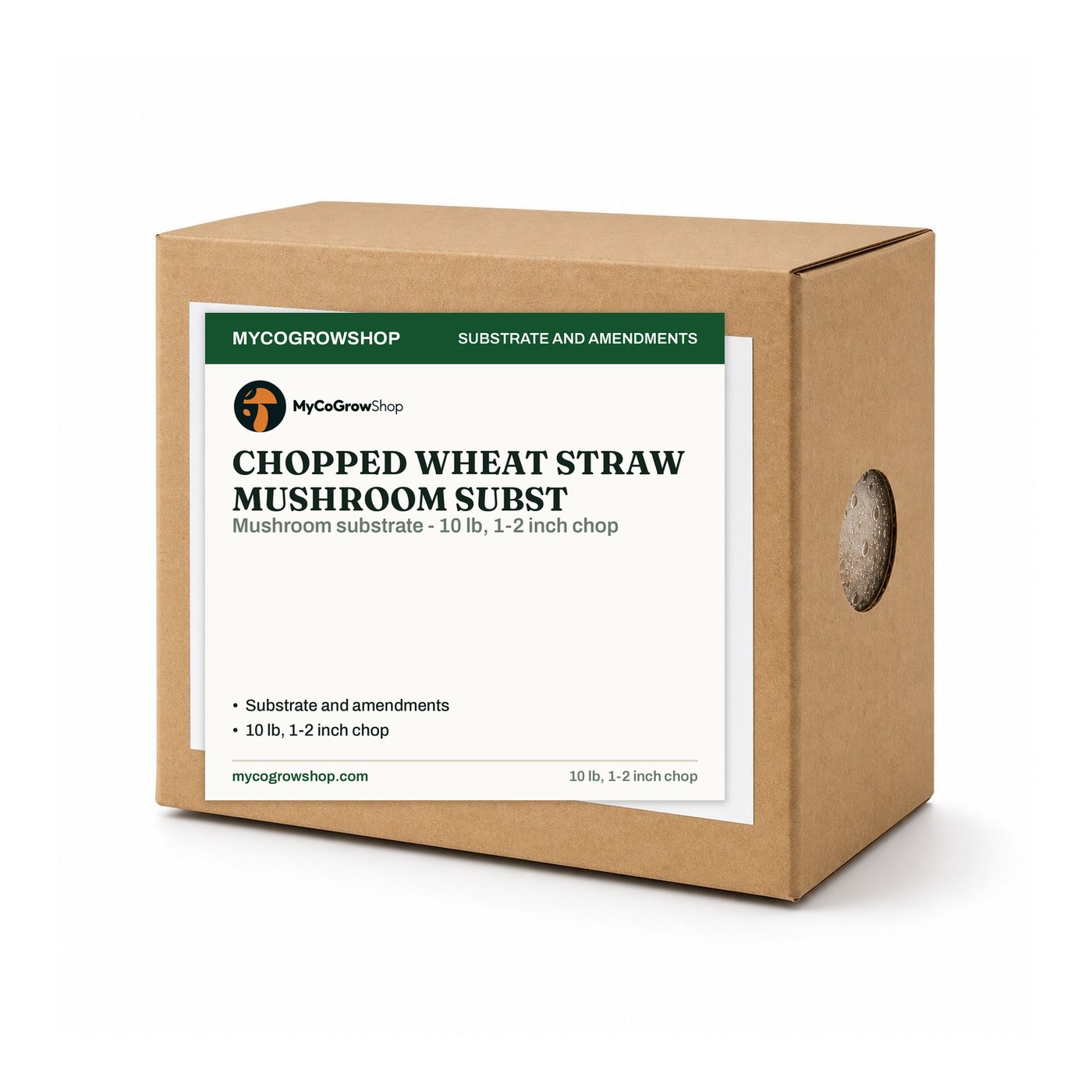
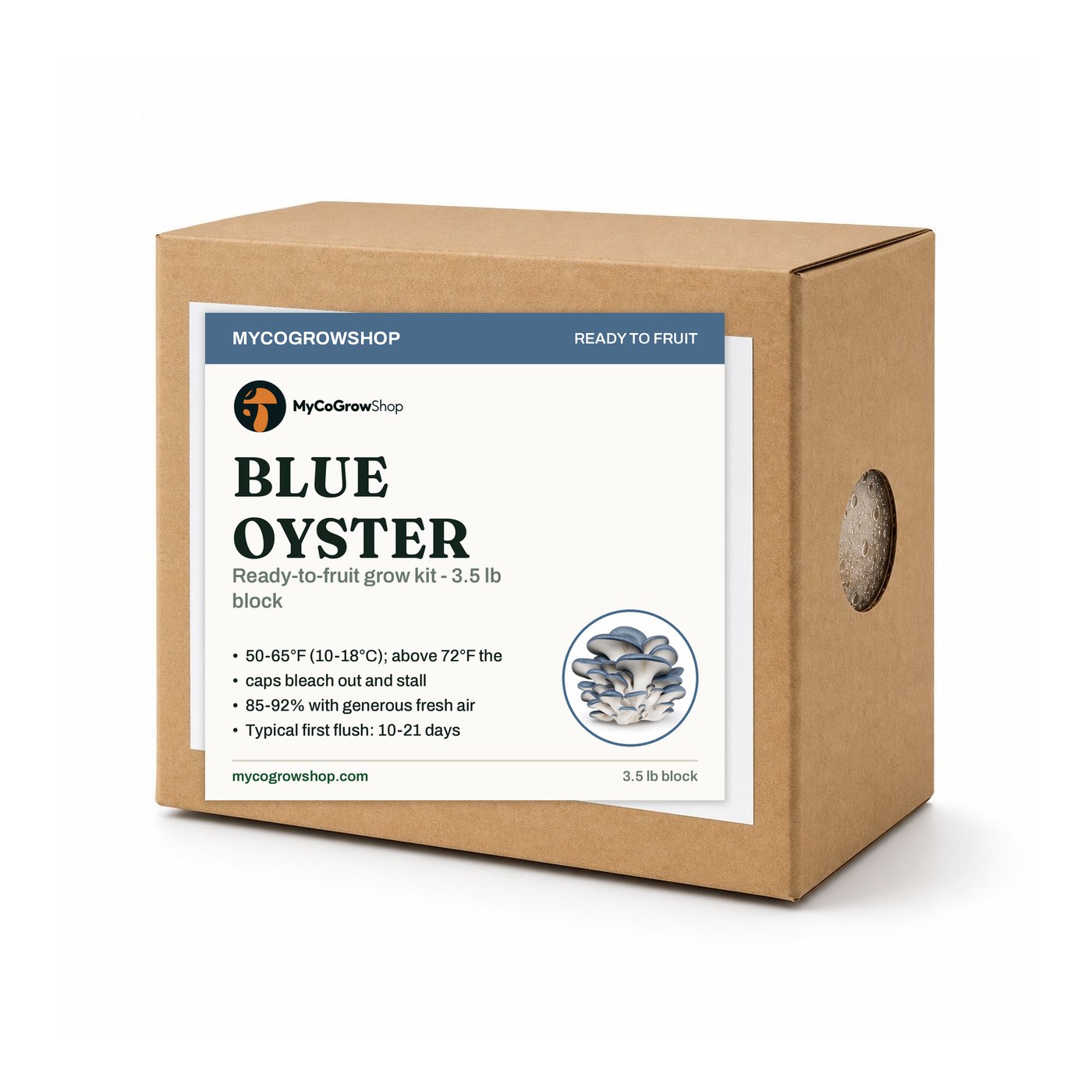
A pasteurised straw bed under a shade structure will give you blue or pink oysters from late spring to autumn. The advantage over logs is speed – eight to twelve weeks from spawning to first flush. The disadvantage is that the bed is spent after a season or two and you are pasteurising every year.
What kills outdoor grows
- Drying out in July – the single most common cause, and the one you can prevent with mulch and a hose
- Logs or beds in full sun: mushrooms need shade, and substrate temperature matters more than air temperature
- Sealing a plug hole with paint that has solvents in it rather than wax
- Buying a hundred plugs for one log: use 30-40 per 4 ft log, spaced, and let them establish
- Impatience: a log that shows no fruiting in year one is normal. Look under the bark for white fans instead
When the log finally crops, it is the best shiitake you will eat, and the log keeps going for years after the counter kits are compost. Plan for both.
Next: how to grow mushrooms at home, all-in-one grow bags explained and the full catalogue. Any question a guide cannot answer, email [email protected].